
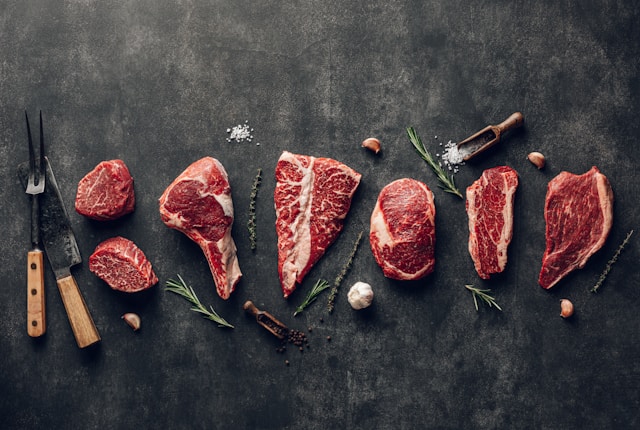
Meat Supplier Qualities That Restaurants Should Look For
For any restaurant, from a high-end steakhouse to a bustling burger joint, the quality of the ingredients is the foundation of success. Among these ingredients, protein often takes center stage on the menu and accounts for a significant portion of the food cost. This makes choosing the right Meat Supplier one of the most critical business decisions a chef or restaurateur will make. A reliable partner ensures that your kitchen runs smoothly, your costs stay managed, and, most importantly, your customers leave satisfied. Conversely, a poor choice can lead to inconsistent dishes, food waste, and a damaged reputation.
Finding a partner who aligns with your culinary vision and operational needs requires looking beyond just the price list. It demands a deep dive into their operational capabilities, their commitment to safety, and their ethical standards. This guide outlines the essential qualities that distinguish a top-tier Meat Supplier from the rest, helping you build a supply chain that supports your restaurant’s longevity and growth.
Reliability and Consistency in a Meat Supplier
In the fast-paced world of food service, reliability is not a luxury; it is a necessity. Your menu promises a specific experience to your guests, and you need a partner who can help you keep that promise every single day.
The Importance of Consistent Product Quality
Nothing frustrates a chef more than variability. If you order a case of 12-ounce ribeyes, you need them to be uniform in thickness, marbling, and trim. A dependable Meat Supplier understands that consistency is key to your profitability. If steaks vary in size, cooking times change, portion control suffers, and customer satisfaction drops.
- Standardized Specs: Look for a supplier who adheres to strict product specifications. They should have rigorous quality control processes in place to ensure that the loin you receive today matches the quality of the one you received last month.
- Sourcing Stability: Ask about their sourcing network. Do they rely on a single farm or do they have a diversified network? A supplier with a robust network can better weather market fluctuations and seasonal shortages, ensuring you don’t face sudden “out of stock” notifications on your key menu items.
On-Time Deliveries and Accurate Fulfillment
The lunch rush waits for no one. A delivery that arrives late—or worse, arrives with missing items—throws the entire kitchen into chaos.
- Logistical Competence: A top-quality Meat Supplier invests in their fleet and logistics technology. They should provide accurate delivery windows and communicate proactively if there are delays.
- Order Accuracy: Analyze their fill rate. Frequent substitutions or short-ships are signs of poor inventory management. You need a partner who delivers exactly what you ordered, when you need it, so your prep team can get to work without scrambling for replacements.
Commitment to Food Safety and Transparency
With foodborne illnesses being a constant threat to public health and business survival, you cannot afford to cut corners on safety. Your supplier must be as committed to hygiene as you are.
Rigorous Safety Standards for a Meat Supplier
A reputable supplier should treat food safety as their religion. They must go beyond the minimum legal requirements to ensure the integrity of the cold chain.
- Certifications: Look for a Meat Supplier who holds recognized safety certifications such as HACCP (Hazard Analysis Critical Control Point), SQF (Safe Quality Food), or GFSI (Global Food Safety Initiative). These certifications indicate that they have systemic procedures to prevent contamination.
- Cold Chain Management: Ask about their temperature monitoring protocols. From the slaughterhouse to your walk-in cooler, the meat must be kept at precise temperatures. Modern suppliers use data loggers on their trucks to prove that the product never entered the “danger zone” during transit.
Traceability and Transparency
Today’s diners are educated and inquisitive. They want to know where their food comes from. Can your Meat Supplier tell the story of the product?
- Farm-to-Fork Traceability: In the event of a recall, traceability is vital for safety. Beyond safety, it is a marketing tool. A supplier who can trace a brisket back to the specific ranch gives you a narrative to share with your guests.
- Clear Labeling: Invoices and packaging should be transparent about the product’s origin, breed, and grade. Avoid suppliers who use vague terms. If you are paying for Angus beef, the paperwork should prove that is what you are getting.
Product Range and Customization Capabilities
Every restaurant concept is unique, and a cookie-cutter approach to protein purchasing rarely works. The best suppliers act as consultants, helping you find the right cuts for your specific applications.
Diverse Inventory from Your Meat Supplier
A broad product catalog allows you to consolidate vendors, which simplifies ordering and accounting.
- Variety of Proteins: Does the Meat Supplier offer a full range of beef, pork, poultry, and lamb? Do they stock different grades (e.g., USDA Prime, Choice, Select)? Having access to variety allows you to run specials and rotate your menu without hunting for new vendors.
- Specialty Items: Whether it’s Wagyu beef, heritage breed pork, or game meats, having access to specialty items can set your menu apart. A supplier with deep industry connections can often source these hard-to-find ingredients for you.
Custom Cutting and Processing
Labor is one of the biggest challenges in modern kitchens. Offloading some of the fabrication work to your supplier can save you money and time.
- Portion Control Programs: Many high-quality suppliers offer portion-cutting services. Instead of buying whole sub-primals and having your line cooks break them down (risking waste and injury), the Meat Supplier delivers pre-cut steaks to your exact weight specifications.
- Value-Added Products: Look for suppliers who can provide value-added services like marinating, cubing for stew, or grinding custom burger blends. This consistency in prep helps you maintain standard operating procedures (SOPs) even when you have staff turnover in the kitchen.
Sustainability and Ethical Sourcing Practices
Sustainability is no longer a buzzword; it is a business imperative. Consumers are increasingly voting with their wallets, favoring restaurants that demonstrate environmental and ethical responsibility.
Ethical Animal Welfare Standards
Chefs know that happy animals taste better. Stress impacts meat quality, leading to issues like dark cutters in beef or PSE (pale, soft, exudative) meat in pork.
- Humane Handling: Evaluate the Meat Supplier on their animal welfare policies. Do they source from farms that practice humane handling? Are they transparent about antibiotic and hormone usage?
- Third-Party Audits: Look for verification from organizations like Certified Humane or the Global Animal Partnership. Partnering with a supplier who respects these standards protects your brand image and appeals to conscious diners.
Environmental Stewardship
Meat production has a significant environmental footprint. A forward-thinking Meat Supplier works to minimize this impact.
- Sustainable Farming Partners: Do they source from farms practicing regenerative agriculture or rotational grazing? These practices improve soil health and sequester carbon.
- Waste Reduction: Ask about their packaging. Are they using recyclable materials? Do they have programs to reduce food waste in their own facilities? Aligning with a green supplier strengthens your restaurant’s sustainability narrative.
Pricing Structures and Financial Partnership
While quality is paramount, the bottom line matters. You need a pricing structure that is fair, transparent, and sustainable for your business model.
Transparent Pricing from Your Meat Supplier
The meat market is volatile, subject to fluctuations in feed costs, weather, and global demand. However, this volatility shouldn’t mean mystery pricing.
- Market Education: A good Meat Supplier educates you on market trends. They should warn you if beef prices are about to spike due to a drought or if there is a glut of chicken wings driving prices down. This partnership allows you to adjust your menu pricing or portion sizes proactively.
- No Hidden Fees: Scrutinize the invoice structure. Are there hidden delivery fees, fuel surcharges, or “broken case” fees? Reliable partners are upfront about their costs.
Flexibility and Credit Terms
Cash flow is the lifeblood of a restaurant.
- Credit Terms: Does the supplier offer reasonable credit terms? Net-15 or Net-30 terms can provide the breathing room you need between purchasing the inventory and selling the finished dish.
- Minimum Order Quantities (MOQs): For smaller independent restaurants, high MOQs can be a barrier. A flexible Meat Supplier understands that you might have limited storage space and cash flow, working with you to set attainable minimums.
Customer Service and Relationship Building
Ultimately, business is about people. When the grill breaks down on a Friday night or you forget to order tenderloins for Valentine’s Day, you need a human being who cares about your success.
Responsiveness and Communication
Your sales representative is your lifeline.
- Accessibility: Is your rep available via text or phone when you have an emergency? Do they visit your kitchen regularly to check on quality and offer new ideas? A disengaged rep who only shows up to collect a check is a liability.
- Problem Resolution: Mistakes happen. The mark of a great Meat Supplier is how they handle them. Do they own the error and rush a replacement to you immediately? Do they offer a credit without a fight?
A Consultative Approach
The best relationships are partnerships, not transactions.
- Menu Development Support: Experienced reps often have culinary backgrounds. They can suggest alternative cuts that offer better margins. For instance, if ribeye prices skyrocket, a proactive Meat Supplier might suggest a Denver steak or a Teres Major as a cost-effective, high-quality alternative.
- Industry Insights: They see what other successful restaurants are doing. A supplier who shares trends and insights helps you stay competitive and innovative.
Conclusion
Selecting a Meat Supplier is a strategic decision that ripples through every aspect of your restaurant. It affects your food cost, your kitchen’s efficiency, the safety of your guests, and the flavor of your food. By prioritizing reliability, demanding rigorous safety standards, seeking sustainability, and fostering a transparent financial partnership, you can find a supplier who is more than just a vendor—they become a vital member of your team.
Don’t settle for the first truck that pulls up to your loading dock. Take the time to vet potential partners against these qualities. Visit their facilities, ask tough questions, and test their products. In the demanding world of hospitality, having a heavy-hitting ally in your corner gives you the confidence to focus on what you do best: creating memorable dining experiences for your guests.