
moldremoval.sg: Mold Problems in Condos and HDB Flats
Living in a high-rise building in Singapore offers incredible convenience and stunning city views. However, the unique architectural design of Condominiums and Housing & Development Board (HDB) flats creates a perfect storm for biological hazards. The combination of dense living arrangements, heavy concrete construction, and a fiercely humid tropical climate makes these homes highly susceptible to fungal infestations. When dark, fuzzy patches start creeping across your bedroom walls or bathroom ceilings, you need immediate professional intervention. You cannot afford to let toxic spores spread through your compact living space. By partnering with moldremoval.sg, residents gain access to highly specialized eradication services designed specifically for high-rise environments. This comprehensive guide explores the specific fungal challenges facing condo and HDB residents today. We will examine the root causes of these infestations, the hidden health risks, and the most effective strategies for long-term remediation.
Why Condos and HDB Flats Face Severe Mold Risks
High-rise buildings in Singapore utilize massive amounts of dense concrete to ensure structural stability. While concrete provides excellent physical strength, it acts like a giant, porous sponge when exposed to moisture. During heavy monsoon seasons, the external walls of HDB flats and condos absorb significant amounts of rainwater. This moisture slowly travels through the concrete pores and eventually reaches the interior walls of your home.
Once this moisture penetrates the interior paint, it creates a deeply damp surface that fungi absolutely love. Furthermore, modern housing designs often prioritize energy efficiency by creating highly insulated, airtight living spaces. Windows remain tightly shut to keep the expensive air conditioning inside the apartment. This lack of natural ventilation traps stale, moisture-heavy air inside your rooms with nowhere to escape.
When you combine damp concrete walls with trapped indoor humidity, an outbreak becomes entirely inevitable. The spores simply wait for a minor drop in temperature to begin their aggressive colonization process. Understanding this unique structural vulnerability helps you take proactive steps to protect your valuable property.
The Impact of Condensation via moldremoval.sg
Singaporeans rely heavily on air conditioning to survive the intense tropical heat. However, blasting cold air inside while hot, humid air presses against the exterior windows creates massive condensation. This temperature clash causes tiny water droplets to form on glass panes, window frames, and adjacent walls. Over time, this constant daily condensation provides a steady water source for hungry fungal spores.
Many residents fail to notice this subtle moisture buildup until a massive black stain appears on the wall. Wiping the condensation away daily helps, but it rarely solves the underlying temperature differential problem entirely. The building science experts at moldremoval.sg understand exactly how this condensation cycle destroys high-rise interiors. They help residents identify these invisible moisture traps before they turn into expensive biological disasters.
Common Causes of Fungal Growth in High-Rise Housing
Beyond structural concrete issues and window condensation, basic daily habits contribute heavily to indoor fungal growth. Most HDB flats and condos lack the luxury of spacious outdoor drying areas for wet laundry. Consequently, residents frequently hang damp clothes on indoor racks or enclosed service balconies. As these clothes dry, they release liters of water vapor directly into the apartment’s enclosed atmosphere.
Another major culprit involves aging plumbing systems hidden behind false ceilings and tiled bathroom walls. In high-density buildings, a slow pipe leak in the apartment directly above yours can easily seep into your ceiling. You might not see the actual dripping water, but the resulting dampness quickly fuels a massive fungal colony. By the time the dark stain breaks through your ceiling paint, the hidden infestation is usually massive.
Kitchens also generate massive amounts of steam and airborne grease during daily cooking routines. If your range hood does not vent properly to the outside, that heavy, damp air settles on your kitchen cabinets. Fungi thrive on the combination of moisture and organic cooking grease left on wooden surfaces.
Identifying Hidden Infestations with moldremoval.sg
Fungi rarely grow out in the open where you can spot them easily. They prefer dark, undisturbed areas with poor air circulation and consistent moisture. In HDB flats and condos, massive built-in wardrobes placed tightly against exterior concrete walls represent the ultimate danger zone. The narrow gap between the heavy wooden cabinet and the cold wall creates a perfect, highly stagnant microclimate.
Spores also love to hide behind peeling wallpaper, underneath laminate flooring, and inside your air conditioning ductwork. When you turn on a contaminated air conditioner, it blasts millions of invisible spores directly into your breathing space. Finding these hidden colonies requires specialized tools and deep environmental knowledge.
The inspection teams at moldremoval.sg utilize advanced moisture meters and thermal imaging cameras to hunt down hidden water sources. They look behind your heavy furniture and inspect your false ceilings without causing unnecessary property damage. This precise detection process ensures no hidden colony survives to cause a secondary outbreak later.
Health Risks of Living with Mold in Compact Spaces
Living in a compact apartment means you share a very small volume of air with your family members. When a fungal colony takes root in a condo or HDB flat, the spore concentration in the air rises rapidly. You cannot easily escape this contaminated air by moving to another wing of the house. This constant, close-quarters exposure makes high-rise infestations particularly dangerous for human respiratory health.
Inhaling these microscopic spores triggers severe allergic reactions and chronic respiratory irritation. Residents often complain of a persistent, dry cough, itchy eyes, and an unexplained stuffy nose that never seems to clear. For young children with developing immune systems, this daily exposure significantly increases their risk of developing lifelong asthma.
Certain aggressive fungal strains also produce dangerous mycotoxins that attach to household dust particles. When you breathe in these toxic particles, they enter your bloodstream and cause severe neurological and physical fatigue. Ignoring a growing patch of fungi puts your entire household at massive, entirely avoidable medical risk.
Protecting Respiratory Health via moldremoval.sg
You cannot negotiate with toxic spores or wait for the dry season to fix the problem naturally. Protecting your family requires immediate, decisive action the moment you detect a musty odor or spot a suspicious stain. Using basic household bleach only bleaches the surface color; it never kills the deep root system of the fungi.
The health and safety specialists at moldremoval.sg prioritize your physical well-being above all else. They understand the severe medical risks associated with prolonged indoor exposure in compact apartments. By removing the biological threat completely, they restore your indoor air quality to safe, healthy levels rapidly. Their thorough eradication process ensures you and your children can breathe easily and sleep safely again.
Tailored Remediation and Prevention Strategies
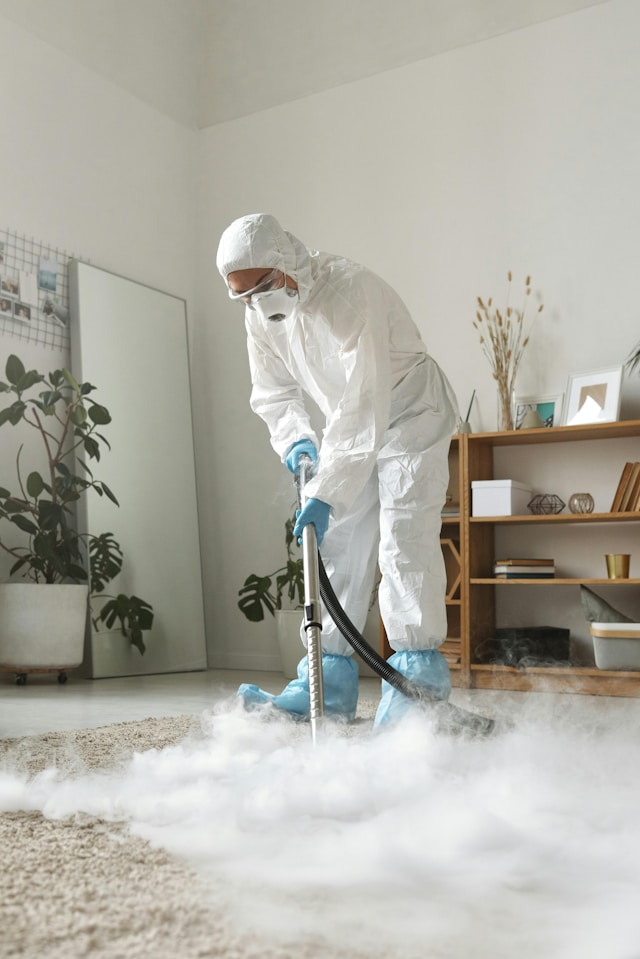
Eradicating an infestation in a high-rise building requires highly specialized containment protocols. You cannot simply rip out contaminated drywall without sealing off the area first. Disturbing a dry colony releases a massive cloud of spores that will instantly infect the rest of your apartment. Professional remediators use heavy plastic sheeting and negative air pressure machines to isolate the danger zone completely.
Once the area is secure, experts use industrial-grade fungicidal treatments to destroy the colony down to its roots. If porous materials like carpets, soft furnishings, or damaged drywall are heavily infected, they must be safely removed and discarded. Trying to salvage heavily contaminated porous materials almost always leads to a rapid re-infestation within weeks.
After removing the biological threat, you must implement strict prevention strategies to keep your apartment dry. Purchasing a high-quality dehumidifier represents the best investment an HDB or condo resident can make. Running this machine daily pulls excess moisture out of the air, keeping your indoor humidity below the critical sixty percent threshold.
Professional Prevention by moldremoval.sg
Maintaining your air conditioning units with absolute discipline also plays a vital role in long-term prevention. You must schedule professional chemical washes for your cooling units regularly to prevent internal fungal growth. Furthermore, always run your bathroom exhaust fans during and after hot showers to vent the heavy steam outside quickly.
The environmental consultants at moldremoval.sg do much more than just clean your walls. They provide highly customized prevention plans based on the specific layout and moisture vulnerabilities of your flat. They teach you how to optimize your natural cross-ventilation and manage your daily moisture output effectively. Their expert guidance ensures your beautiful high-rise home remains permanently free from toxic biological growth.
Conclusion
Living in a high-rise HDB flat or luxury condominium does not protect you from the harsh realities of Singapore’s climate. The dense concrete construction, heavy reliance on air conditioning, and compact living spaces create unique vulnerabilities for fungal growth. Ignoring a musty smell or a small dark stain puts your property value and your family’s respiratory health at severe risk. You cannot defeat this persistent environmental enemy using basic cleaning supplies and amateur techniques. True protection requires deep structural knowledge, industrial extraction equipment, and a commitment to long-term moisture control. Do not let invasive spores dictate the comfort and safety of your urban sanctuary. Take proactive, highly intelligent control of your indoor air quality right now. Visit moldremoval.sg today to secure the expert remediation services you need to enjoy a clean, perfectly healthy home.