
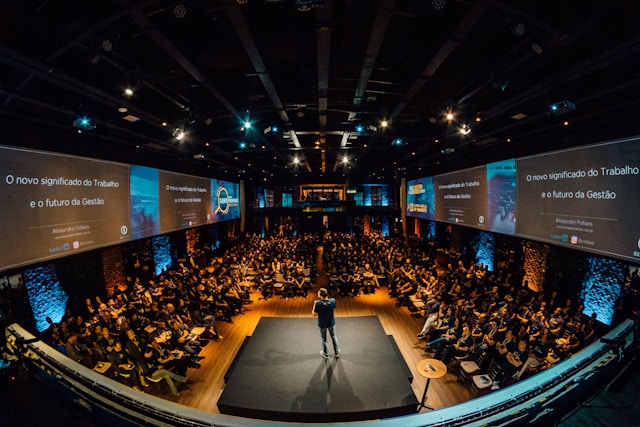
Event Activities for Corporate Engagement in Singapore
Corporate events in Singapore do more than fill a calendar. When planned well, Event activities help companies build stronger teams, increase employee participation, reinforce brand culture, and create better client relationships. A well-designed activity can turn a routine gathering into a meaningful experience that people remember long after the event ends.
This article explains how event activities support corporate engagement in Singapore. You will learn why they matter, which formats work well, how they support internal and client-facing goals, and what planners should consider before choosing them. If you want your next corporate event to feel more useful, more interactive, and more aligned with business goals, this guide will help.
Why corporate engagement matters in Singapore
Singapore’s corporate environment is fast-moving, competitive, and highly connected. Companies often manage hybrid teams, regional offices, demanding workloads, and high expectations around performance. In that setting, engagement matters more than ever.
Employees who feel connected to their company are more likely to participate, collaborate, and stay motivated. Clients who feel engaged during an event are more likely to remember the brand and respond positively after the event ends.
Corporate engagement is not only about making people happy for a few hours. It supports wider business needs such as:
- Better teamwork
- Stronger internal communication
- Higher morale
- Improved employer branding
- Stronger client relationships
- More memorable brand experiences
That is why event planning should not focus only on logistics. It should also focus on how people will interact, respond, and connect.
How Event activities drive corporate engagement
A venue, a stage, and a program schedule are not enough on their own. People engage when they are involved. That is where Event activities become valuable.
Event activities turn attendance into participation
Many corporate events fail for a simple reason: people show up, but they do not take part. They listen, eat, and leave. That may fill a room, but it does not create much engagement.
Activities change that. They give attendees something to do, discuss, solve, share, or experience. This helps people move from passive attendance to active participation.
Examples include:
- Team games
- Live polling
- Collaborative challenges
- Networking tasks
- Interactive workshops
- Recognition segments
- Brand experience stations
These formats keep energy up and make the event feel more purposeful.
Event activities help companies create shared experiences
Shared experiences matter in the workplace. They give people common stories, inside jokes, and points of connection. This is especially useful in larger organizations where employees may not interact often in daily work.
A well-planned event activity helps people feel part of something together. That sense of connection can support engagement long after the event ends.
Event activities for team bonding in Singapore
Team bonding is one of the most common reasons companies invest in corporate events. In Singapore, where teams are often diverse, busy, and cross-functional, activities can help break routine and improve relationships.
Event activities that build trust and collaboration
The best team bonding activities are not always the loudest or most dramatic. They are the ones that encourage people to work together in a natural way.
Useful team bonding formats include:
- Problem-solving challenges
- Escape-room style activities
- Team scavenger hunts
- Build-and-create games
- Amazing race concepts across a venue or district
- Cooking or hands-on workshop competitions
- Strategy games with shared goals
These activities work because they create situations where people need to communicate, delegate, and support each other.
Why team bonding activities work well for corporate groups
A good activity creates interaction between people who may not normally work closely together. This can help reduce silos and make future collaboration easier.
For example, a finance manager and a marketing executive may rarely speak in the office. In a team-based event challenge, they may suddenly need to solve problems together. That shared task can make future communication feel more natural.
In Singapore’s corporate setting, this matters because many organizations are structured by department, function, or region. Event activities can help bridge those gaps.
Event activities that increase employee participation
Employee participation is often the clearest sign of engagement. If people join in willingly, ask questions, and respond to the experience, the event is doing its job.
Event activities should be easy to join
One reason participation drops is that some activities feel awkward, confusing, or too demanding. Employees do not want to be forced into something embarrassing or unclear.
The most effective Event activities usually have a low barrier to entry. They are easy to understand and easy to join within a few seconds.
Good examples include:
- Live polls during town halls
- Team trivia with mobile participation
- Photo walls with themed prompts
- Lucky draws tied to small tasks
- Quick table challenges
- Interactive Q&A boards
- Recognition voting for peer awards
These help people take part without feeling put on the spot.
Different employees engage in different ways
Not everyone enjoys the same type of event. Some people love stage games. Others prefer smaller group tasks or quieter creative formats.
That is why a strong event plan often includes a mix of activity types, such as:
- High-energy activities for extroverted participants
- Table-based or app-based tasks for quieter guests
- Visual activities like message walls or collaborative boards
- Reflective formats such as story-sharing or appreciation notes
A mix gives more people a chance to engage in a way that feels comfortable.
Using Event activities to reinforce brand culture
Corporate events are one of the best times to make company culture visible. Internal values often sound good on slides, but activities help bring them to life.
Event activities can reflect company values
If a company says it values innovation, collaboration, customer care, or resilience, the activities should support those ideas. This helps make the culture feel real rather than promotional.
For example:
- A company focused on innovation may use idea-generation games or hackathon-style sessions
- A company focused on teamwork may use collaborative challenge formats
- A customer-focused business may create role-play activities around service excellence
- A brand that values recognition may include peer appreciation segments
This alignment helps employees connect the event experience to the company’s identity.
Culture becomes more believable when people experience it
People are more likely to believe in company culture when they feel it in action. A fun but well-designed event can show how the organization communicates, celebrates success, and values people.
That is one reason activities matter. They shape not only engagement, but also perception.
Event activities for internal corporate events
Internal events in Singapore come in many forms. These include town halls, annual meetings, dinner and dance events, staff appreciation days, training sessions, family days, and departmental gatherings.
Event activities for town halls and company updates
Internal communication events do not have to feel dry. A town hall can include activities that improve attention and feedback.
Useful ideas include:
- Real-time sentiment polls
- Live Q&A submission
- Department quiz segments
- Interactive milestone timelines
- Staff recognition moments
- Feedback boards with digital or physical input
These formats make updates feel less one-way.
Event activities for staff appreciation and celebration
Celebration events give companies a chance to reward employees and create positive emotional connection. Good activities for these events may include:
- Team games with light competition
- Award segments with audience involvement
- Interactive photo booths
- Memory walls featuring team highlights
- Personalized recognition activities
- Entertainment with audience participation
For these events, the goal is not only fun. It is also appreciation and morale.
Event activities for client engagement in Singapore
Corporate events are not always internal. Many are designed to engage clients, prospects, partners, or stakeholders. In these cases, activities need to feel more brand-aware and professionally relevant.
Event activities help clients interact with the brand
At client-facing events, activities can make the brand more memorable. Instead of only presenting information, companies can invite people to engage with it.
Good formats include:
- Product demonstration stations
- Interactive showcases
- Live surveys and audience feedback
- Case-based discussions
- Expert panels with audience input
- Networking prompts and guided discussion tables
- Digital games linked to product knowledge
These activities help attendees spend more time with the brand message in an active way.
Client engagement needs the right tone
Client events in Singapore often need a balance between professional polish and interactive energy. Activities should feel useful, relevant, and well run.
That means avoiding formats that feel too childish, too chaotic, or disconnected from the purpose of the event. The best client-facing activities support conversation, learning, and memory.
Interactive formats that work well for corporate events
Not every activity suits every company, but some formats are consistently useful because they are flexible and easy to adapt.
Gamification
Gamification works well because it gives people a reason to participate. This may include points, badges, rankings, or team competition.
In a corporate context, gamification can support:
- Learning
- Networking
- Booth visits
- Session attendance
- Internal engagement
The key is to keep it simple and aligned with the event’s tone.
Workshops and co-creation sessions
Interactive workshops are useful when the goal is deeper engagement. They work well for leadership retreats, strategy sessions, and innovation-focused events.
These sessions may include:
- Brainstorming tables
- Group solution building
- Scenario planning
- Idea pitching
- Facilitated small-group discussion
This format works especially well when the company wants input, not just attendance.
Networking activities
Networking often needs structure. Without it, many guests stay with the people they already know.
Helpful networking activities include:
- Guided introductions
- Conversation cards
- Speed networking rounds
- Topic-based group discussions
- Matchmaking by role or interest
These help people connect faster and more comfortably.
Planning Event activities the right way
Good activities do not happen by accident. They need to fit the audience, the event goals, and the operational reality.
Start with the event objective
Before choosing any activity, ask what the event is meant to achieve. Is the goal to energize employees, celebrate milestones, generate ideas, strengthen culture, or impress clients?
The answer should guide the format. A dinner event may need lighter engagement. A strategy retreat may need deeper collaboration. A product launch may need brand interaction.
Know the audience
A regional sales team, a group of senior executives, and a mixed audience of clients and staff will respond differently. Consider:
- Group size
- Seniority level
- Industry culture
- Language comfort
- Personality mix
- Time available
The more closely the activity fits the audience, the better the engagement.
Think through logistics and flow
Even a strong idea can fail if the flow is poor. Plan for:
- Clear instructions
- Enough facilitators
- Proper timing
- Space layout
- Audio-visual support
- Backup plans if needed
Activities should support the event, not disrupt it.
Common mistakes to avoid
Some corporate events underperform because the activities are chosen for novelty, not relevance.
Choosing activities that do not fit the audience
An activity may look exciting online but feel awkward in the room. Always assess whether it suits the people attending.
Overcomplicating the format
If instructions are too long or the task has too many steps, people lose interest fast. Simplicity often works better.
Making participation feel forced
People engage more when they feel invited, not pressured. Give room for different participation styles.
Ignoring the business purpose
Activities should still support the reason the event exists. Fun matters, but relevance matters too.
How to measure whether Event activities worked
After the event, review whether the activities actually supported engagement. Useful indicators include:
- Participation rates
- Audience feedback
- Session energy and response
- Social sharing or photo engagement
- Networking quality
- Staff or client comments after the event
- Follow-up outcomes tied to the event goal
This helps improve future planning and justify event investment.
Conclusion
Event activities play a major role in corporate engagement in Singapore because they turn business gatherings into shared, participatory experiences. They support team bonding, increase employee participation, make brand culture more visible, and help clients connect with a company in a more memorable way.
For event planners and corporate teams, the next step is to choose activities based on purpose, audience, and event flow. Keep them clear, relevant, and easy to join. When event activities are planned well, they do more than entertain. They strengthen relationships, improve communication, and help the event deliver real value.