
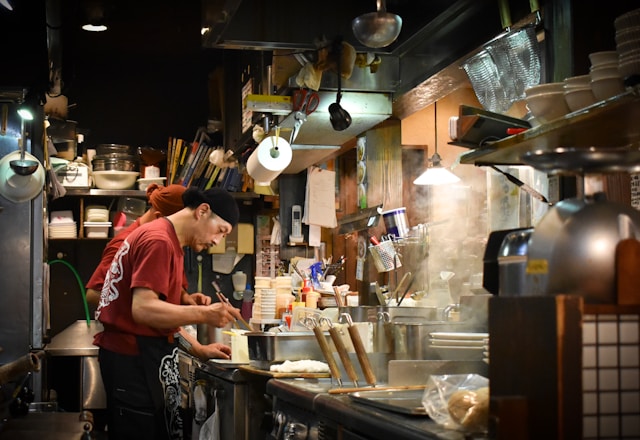
The Rise of Modern Twists in Japanese Cuisine
For generations, the global perception of Japanese cuisine has been rooted in tradition, precision, and a deep reverence for centuries-old techniques. From the art of sushi to the complexities of a kaiseki meal, the emphasis has always been on perfecting classic methods. However, a dynamic shift is currently underway. A new generation of chefs, both in Japan and around the world, is infusing modern twists into Japanese Cuisine, creating a vibrant and exciting culinary movement. This evolution isn’t about discarding the past but rather building upon it, using traditional principles as a foundation for innovation and creativity.
This rise of modern twists in Japanese cuisine is marked by the thoughtful integration of global ingredients, the adoption of cutting-edge cooking techniques, and a re-imagination of classic dishes for a contemporary palate. It’s a culinary dialogue between the old and the new, where a respect for authenticity coexists with a spirit of adventure. This article explores how these modern interpretations are reshaping our understanding of Japanese food, proving that tradition can be both honored and evolved.
Global Flavors: A New Era for Japanese Cuisine
One of the most exciting developments in modern Japanese cuisine is the artful fusion of international flavors. This is not the clumsy fusion of the past but a sophisticated and deliberate blending of cultures on a plate. Chefs are looking beyond Japan’s borders to find ingredients and flavor profiles that complement and elevate traditional Japanese dishes.
- The Influence of Nikkei Cuisine: A prime example of successful fusion is Nikkei cuisine, which was born from the Japanese diaspora in Peru. This culinary style marries Japanese techniques with vibrant Peruvian ingredients like aji amarillo chilies, quinoa, and cilantro. Dishes such as tiradito (sashimi-style fish in a zesty sauce) and ceviche with yuzu showcase how beautifully the clean, precise nature of Japanese food can be enhanced by the bold, acidic flavors of South America. Many modern Japanese restaurants now feature Nikkei-inspired dishes, a testament to its global appeal.
- European Ingredients and Techniques: Modern Japanese chefs are also drawing inspiration from European culinary traditions. It’s not uncommon to find dishes like scallop sashimi drizzled with truffle oil, wagyu beef paired with a red wine reduction, or desserts like matcha tiramisu. French techniques, in particular, have found a home in many Japanese kitchens. Methods like sous-vide are being used to cook chashu pork for ramen to an impossible tenderness, while classic French sauces are being reinvented with ingredients like miso and soy sauce.
Preserving the Core of Japanese Cuisine
Despite these global influences, the best modern chefs ensure the soul of Japanese cuisine remains intact. The focus on umami, the balance of flavors, and the visual beauty of the plate—known as moritsuke—are still paramount. The goal is to use foreign ingredients to create a new, exciting harmony, not to mask the delicate nature of the original dish.
Technological Innovation in Japanese Cuisine
Beyond ingredients, modern twists are also emerging from the adoption of new cooking technologies. While traditional methods like grilling over charcoal (binchotan) remain revered, chefs are embracing scientific tools to achieve new levels of precision and create textures that were previously impossible.
- Sous-Vide and Controlled-Temperature Cooking: As mentioned, sous-vide is a technique that has been widely adopted in modern Japanese kitchens. By cooking ingredients in a vacuum-sealed bag at a precise, low temperature, chefs can achieve perfect, consistent results every time. This is particularly useful for proteins like pork belly, chicken, and even delicate fish, ensuring they are moist and tender.
- Molecular Gastronomy Meets Japanese Cuisine: The principles of molecular gastronomy—a scientific approach to cooking—are also being used to deconstruct and reinvent classic Japanese dishes. This might manifest as a soy sauce “foam,” a wasabi “sphere” that bursts in the mouth, or a dashi-flavored gel. While these techniques can seem gimmicky in the wrong hands, a skilled chef can use them to intensify flavors and create a surprising, multi-sensory dining experience.
The Balance Between Tech and Tradition
The successful integration of technology into Japanese cuisine depends on restraint. The purpose of using a new tool or technique is to enhance the final product, not simply to show off. A modern Japanese chef might use a centrifuge to clarify a broth for unparalleled clarity and flavor, a technique invisible to the diner but essential to the quality of the dish. This behind-the-scenes innovation allows for a perfect marriage of modern science and traditional culinary philosophy.
Reinventing the Classics
Another hallmark of the modern movement is the creative reinterpretation of beloved classic dishes. Chefs are taking the familiar flavors and formats of dishes like sushi, ramen, and tempura and presenting them in new and unexpected ways.
- The Evolution of the Sushi Roll: The traditional maki roll has become a playground for creativity. Modern sushi chefs are experimenting with a vast array of non-traditional ingredients, from spicy tuna and tempura shrimp to cream cheese and tropical fruits. The “aburi” style, where the top of the nigiri is lightly seared with a blowtorch, adds a smoky, caramelized flavor that contrasts beautifully with the raw fish underneath. These contemporary rolls cater to a wider audience and have made sushi more accessible and exciting for diners unfamiliar with traditional edomae-style sushi.
- Gourmet Ramen and Broth Innovations: Ramen has been elevated from a humble noodle soup to a gourmet obsession. Modern ramen shops are experimenting with complex broths that go beyond the traditional shio, shoyu, miso, and tonkotsu. You might find a creamy chicken paitan, a rich seafood-based broth, or even a vegan broth made from mushrooms and kombu that is just as satisfying as its meat-based counterparts. Toppings have also become more creative, with additions like sous-vide duck breast, black truffle, or corn tempura.
The Fine Line in Modern Japanese Cuisine
Reinventing a classic is a delicate balancing act. The dish must be recognizable enough to evoke the comfort and nostalgia of the original, but different enough to feel fresh and exciting. The most successful modern twists are those that demonstrate a deep understanding of the original dish, allowing the chef to deconstruct and reassemble it in a way that feels both innovative and respectful.
The Plant-Based Revolution in Japanese Cuisine
In response to growing global demand for vegetarian and vegan options, modern Japanese cuisine is undergoing a significant plant-based transformation. Traditionally, Japanese food has been very vegetable-forward, but dashi (fish stock) is a foundational ingredient in many dishes, making true vegan options rare.
Modern chefs are rising to this challenge by developing innovative plant-based alternatives that do not compromise on flavor. Vegan dashi made from shiitake mushrooms, kombu, and dried tomatoes can provide the same umami depth as traditional dashi. Tofu, tempeh, and a variety of mushrooms are being used to create hearty and satisfying replacements for meat and fish. You can now find vegan ramen with creamy soy milk broth, “tuna” maki made from marinated tomatoes, and crispy vegetable tempura that is just as delightful as the seafood version. This focus on plant-based cooking is making Japanese cuisine more inclusive and sustainable.
Conclusion
The rise of modern twists in Japanese Cuisine represents a thrilling chapter in its long and storied history. By thoughtfully blending global flavors, embracing new technologies, reinventing classic dishes, and developing robust plant-based options, chefs are pushing the boundaries of what Japanese food can be. This evolution is not a rejection of tradition but a celebration of it—a recognition that a strong culinary heritage provides the perfect launchpad for innovation.
This modern movement ensures that Japanese cuisine remains relevant, dynamic, and endlessly fascinating to diners around the world. It proves that with creativity and a deep respect for ingredients, it is possible to honor the past while crafting a delicious and exciting future. The next time you dine out, look for these modern interpretations and experience firsthand the exciting evolution of one of the world’s most beloved cuisines.
Meta Title: The Rise of Modern Twists in Japanese Cuisine
Meta Description: Explore how Japanese cuisine is evolving with modern twists, from fusion dishes and innovative tech to reinvented classics that honor traditional roots.