
The Unique Appeal of Tze Char Restaurants
When exploring the vibrant culinary landscape of Southeast Asia, you quickly realize that the most unforgettable meals rarely happen in formal, air-conditioned dining rooms. Instead, they unfold in bustling open-air coffee shops and vibrant neighborhood hawker centers. At the center of this dynamic food culture sits the remarkable Tze Char experience. Translating roughly to “cook and fry,” this beloved dining format combines the high-quality execution of restaurant kitchens with the relaxed, unpretentious atmosphere of street food. These local establishments offer an extraordinary blend of bold flavors, immense variety, and deep cultural resonance. This article explores exactly what makes these lively eateries stand out from conventional restaurants. You will discover how their deeply communal dining format brings people together, how their expansive menus cater to every conceivable craving, and why these fiery kitchens represent a crucial pillar of local culinary heritage.
The Heart of the Tze Char Dining Experience
Dining out serves a much greater purpose than simply satisfying physical hunger. It acts as a vital social anchor, offering a dedicated space where families and friends can genuinely reconnect. The inherent design of these local eateries actively encourages this essential human connection. From the physical arrangement of the tables to the specific way chefs portion the food, every element promotes a shared, collaborative experience that modern society often lacks.
Fostering Community Through Tze Char Meals
Conventional restaurants typically serve individually plated meals, which subtly isolates diners from one another. You order your specific dish, and you eat your specific dish. A traditional Tze Char meal completely shatters this isolated dining model. Chefs prepare massive, family-style portions meant for the entire table to share. Diners must interact constantly, passing heavy plates of steamed fish, rotating the lazy Susan to reach the salted egg yolk ribs, and ensuring the elders receive the best cuts of meat.
This shared consumption naturally sparks lively conversation and deepens interpersonal bonds. Parents gently serve their children, friends debate which dish tastes the absolute best, and everyone collectively experiences the exact same flavor profiles. The food acts as a powerful conversational catalyst. By removing the boundaries of individual plates, these restaurants transform a simple Tuesday night dinner into a highly engaging, communal celebration.
The Unpretentious Atmosphere of Tze Char Venues
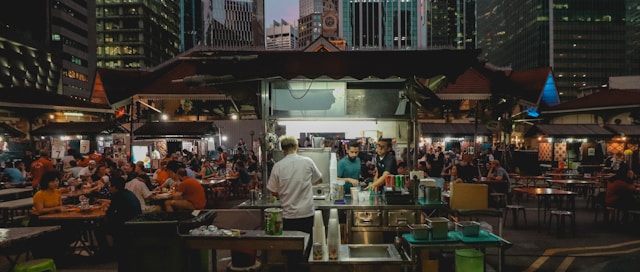
Formal dining rooms often impose strict, unspoken rules of etiquette. Diners must dress a certain way, speak at a specific volume, and navigate complex arrays of silverware. This rigidity can make eating out feel surprisingly stressful. Tze Char venues offer the exact opposite environment. They hum with a chaotic, vibrant, and incredibly welcoming energy. You will hear the rhythmic scraping of metal spatulas against seasoned woks, the shouting of orders over the roar of industrial stoves, and the loud, joyous laughter of neighboring tables.
This highly relaxed setting allows diners to completely drop their professional guards. You can roll up your sleeves, use your hands to crack open a massive chili crab, and talk as loudly as you want without disturbing the peace. The plastic chairs, the fluorescent lighting, and the simple folded tables remind you that the focus remains entirely on the incredible food and the wonderful company. This lack of pretense is a massive part of their enduring, universal appeal.
Exploring the Diverse Tze Char Menu Offerings
A restaurant can boast the best atmosphere in the world, but it will ultimately fail if the food falls flat. The culinary backbone of these bustling establishments lies in their staggering menu variety. A typical stall offers dozens of distinct, highly specialized dishes. This massive selection guarantees that large, diverse groups can easily construct a perfectly balanced meal that satisfies every single palate at the table.
Signature Seafood in Tze Char Cooking
Seafood represents the undisputed crown jewel of this unique dining format. Chefs source incredibly fresh catches from local markets every single morning, ensuring premium quality. They then apply decades of culinary expertise to transform these raw ingredients into heavily seasoned, unforgettable masterpieces. You will routinely find items that rival the most expensive seafood restaurants in the city, offered at a fraction of the price.
Diners flock to these stalls specifically for iconic dishes like black pepper crab, crispy cereal prawns, and deep-fried soon hock fish bathed in superior soy sauce. The chefs cook these delicate proteins aggressively over massive flames, locking in the natural sweetness of the ocean while coating the exterior in rich, complex sauces. The ability to enjoy premium, expertly prepared seafood in a highly casual setting remains a massive draw for both locals and adventurous tourists alike.
Comfort Food Staples at Tze Char Stalls
While the premium seafood draws the weekend crowds, the comforting, everyday staples keep the neighborhood regulars coming back multiple times a week. The expansive menu reaches far beyond the ocean, offering an incredible variety of meat, poultry, and vegetable dishes. These comforting classics provide the essential savory notes and vital nutrients needed to round out a massive, multi-course feast.
Tender slices of beef stir-fried with pungent ginger and spring onions, crispy sweet and sour pork, and deeply savory claypot chicken represent just a tiny fraction of the available options. Furthermore, these chefs elevate humble vegetables to spectacular heights. A simple plate of kangkong (water spinach) stir-fried with spicy sambal and fermented shrimp paste bursts with an intense, addictive umami flavor. This incredible diversity allows you to experience a completely different flavor profile during every single visit.
The Deep Cultural Significance of Tze Char
Beyond the fantastic flavors and the affordable prices, these lively eateries hold massive cultural importance. They serve as living, breathing museums of local culinary history. In a rapidly modernizing society dominated by global fast-food chains and trendy fusion concepts, these humble stalls preserve the authentic, time-tested recipes that define the region’s unique gastronomic identity.
Preserving Culinary Heritage Through Tze Char
Many of these bustling kitchens operate as multi-generational family businesses. Grandfathers pass their secret sauce recipes and specialized wok techniques directly down to their children and grandchildren. When you order a plate of traditional prawn paste chicken, you are literally tasting decades of refined family history. These stalls actively protect the historical flavor profiles that might otherwise disappear in the modern, highly commercialized food industry.
Furthermore, the menu serves as a delicious map of regional migration and cultural blending. You will find distinct Hokkien, Cantonese, and Teochew influences seamlessly integrated into a single menu. The food reflects the diverse, multicultural tapestry of the local population. Eating at these stalls represents a profound, tangible connection to the past, offering a comforting anchor of familiarity in a constantly changing urban landscape.
The Art of Wok Hei in Tze Char Kitchens
You cannot discuss this dining format without highlighting the absolute mastery of “wok hei.” Translating to the “breath of the wok,” this complex culinary concept separates amateur home cooking from true professional execution. Achieving genuine wok hei requires specialized industrial stoves that generate intense, terrifying levels of heat. The chef must toss the ingredients rapidly through the leaping flames, searing the food in mere seconds.
This aggressive cooking technique triggers complex chemical reactions, caramelizing the natural sugars and imparting a distinct, highly desirable smoky flavor to the dish. It seals in the moisture of the meats while giving the noodles and vegetables a slightly charred, breathtaking finish. You simply cannot replicate this profound flavor profile on a standard residential kitchen stove. Diners specifically seek out their favorite Tze Char stalls just to experience this masterful, smoky essence that turns simple ingredients into absolute magic.
Conclusion
The enduring, widespread popularity of this unique dining format requires no complex psychological explanation. It represents the absolute best aspects of local food culture perfectly combined into one accessible package. By removing the stiff pretense of formal dining, these bustling stalls create a deeply welcoming environment where communities can gather, laugh, and reconnect over spectacular food. The staggering variety of the menu ensures that every diner leaves completely satisfied, whether they crave fiery, premium seafood or simple, comforting vegetable stir-fries.
Furthermore, the masterful techniques happening behind the roaring stoves preserve a vital piece of the region’s culinary soul. The unmistakable smoky aroma of authentic wok hei cannot be mass-produced or replicated by international restaurant chains. If you want to understand the true heartbeat of the local food scene, you must pull up a plastic chair, order an expansive feast, and share it with people you care about. You will instantly understand the profound, unique appeal that keeps these extraordinary kitchens thriving year after year.